Dribbles and take-ons: successful vs attempted
A successful take-on is when a player in possession tries to beat an opponent, gets past them and keeps the ball. An attempted take-on counts every try, including the ones where the defender wins it or a heavy touch gets away, so a player's attempted and successful columns can tell two very different stories.
Team FootyMetrics
Updated Jul 2026 · 6 min read
- A take-on, which Opta's event definitions also call a dribble, is an attempt to beat an opponent while in possession. It only counts as successful if the player gets past the defender and keeps the ball.
- Attempted take-ons include everything: the successful ones, the ones where the dribbler is tackled, and overruns where the player knocks the ball too far trying to beat their man.
- Every take-on writes into the defender's stats too. Beat the defender and they log a challenge lost. Lose the ball to them and they log a tackle while you log an unsuccessful take-on.
- Dribbles means different things at different providers. StatsBomb logs running with the ball as a separate carry event, so check what a dribbles column actually counts before you read a line off it.
What counts as a take-on
Opta’s public event definitions page files this stat under one heading with both names, dribbles and take-ons, and defines it as an attempt by a player to beat an opponent when they have possession of the ball. The two words name the same event. FootyMetrics’ stat definitions follow the same standard.
The important part of that definition is “beat an opponent”. A take-on is a duel. It needs a defender in the way and a deliberate attempt to go past them. A midfielder knocking the ball into space and running onto it hasn’t taken anyone on, and neither has a winger carrying the ball forty yards up an empty flank. Those are carries, which we’ll get to, because the word “dribbling” in normal football speech covers them and the stat does not.
Think of a winger in the Jeremy Doku mould, someone who runs directly at a full-back every time the ball arrives. Each of those direct runs at a defender is a take-on attempt. What happens next decides which column it lands in.
Successful vs attempted
A successful take-on, per Opta’s definition, means the player beats the defender while retaining possession. Both halves have to be true. Get past the man but lose the ball doing it and there’s no successful take-on. The unsuccessful ones are where the dribbler is tackled, and Opta also collects attempts where the player overruns the ball with a heavy touch while trying to beat their opponent.
So attempted is the wide column and successful is the narrow one. Say a winger goes at their full-back eight times in a match and comes out the other side with the ball four times. That’s 8 attempted, 4 successful. A dribbles stat that only shows one of those numbers is hiding half the picture: the eight tells you how often they backed themselves, the four tells you how often it worked.
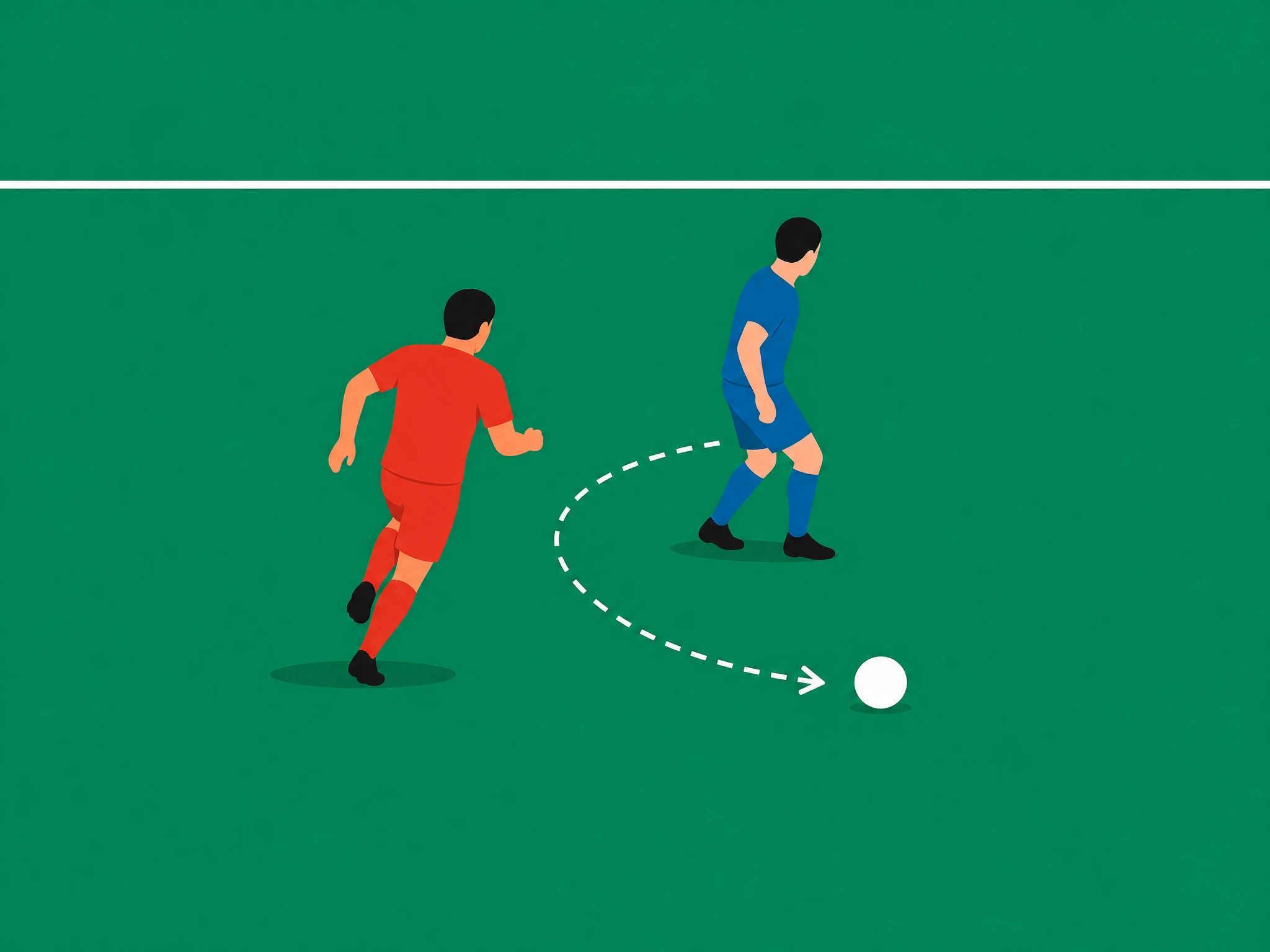
Past the defender, ball kept. One successful take-on.
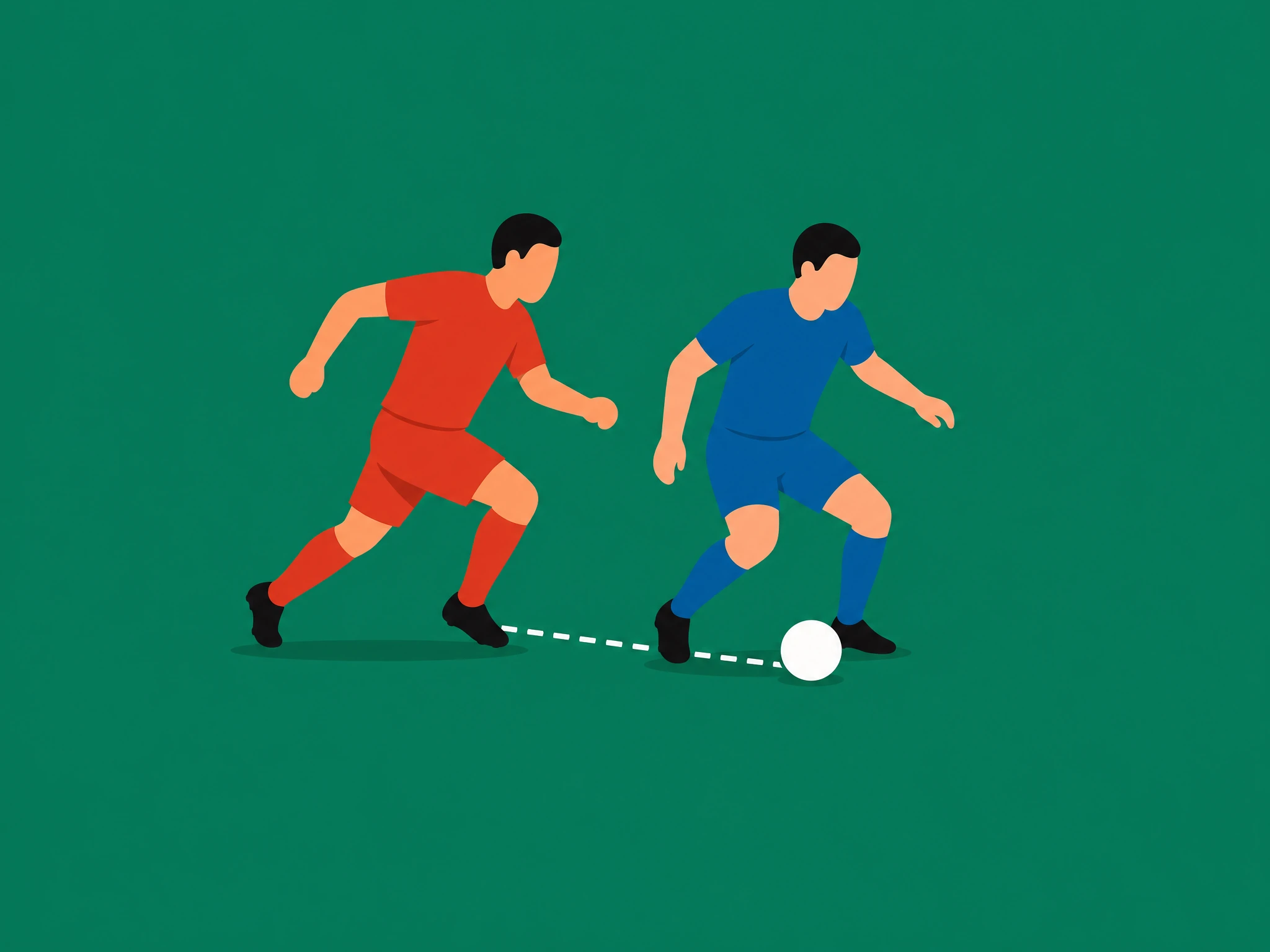
Defender comes away with it. Attempted, not successful, and a tackle for the defender.
When a take-on is judged unsuccessful
The clean case is the tackle: the defender wins the ball in a legal challenge and the take-on has failed. The messier case is the overrun. A player who touches the ball too heavily trying to knock it past their man, so that it runs away from them, has still attempted a take-on. It goes down as an attempt without a success, and that heavy touch is still logged as a touch in its own right, the same way a mis-control counts on the touches stat.
One distinction on Opta’s page is easy to miss. If a player loses the ball to an opponent while trying to beat them, that’s an unsuccessful take-on. If they lose the ball while in possession but not trying to beat anyone, standing on it too long, getting robbed from behind, that’s logged as a dispossessed instead, a separate event entirely. Intent is the dividing line: no attempt to beat the man, no take-on either way.
What the public definitions page doesn’t itemise is every possible ending, for instance a heavy touch that rolls straight out of play without a defender touching it. The overrun wording is the closest fit for those, but since the page doesn’t spell each case out, we won’t pretend it does.
The defender’s side of the same event
Every take-on is one event seen from two ends, and the defender always gets an entry too.
When the take-on succeeds, the beaten defender is given a challenge lost. When it fails because the defender won the ball in a clean challenge, the defender logs a tackle, exactly as covered in how tackles are counted, and the attacker logs the unsuccessful take-on. There’s even a goalkeeper version: a keeper who dives in at a forward’s feet and holds onto the ball gets a smother, and the forward gets an unsuccessful take-on.
Two stat lines, one duel
Why “dribbles” means different things
Even Opta’s own page hedges the vocabulary by titling the event with both words. Other providers split the concept differently. StatsBomb’s open event data spec defines a dribble as an attempt by a player to beat an opponent, essentially the same duel Opta describes, but logs a separate carry event for a player who controls the ball at their feet while moving. Everyday football language uses “dribbling” for that second thing, running with the ball.
The practical consequence: a player who picks the ball up deep and runs sixty yards without a defender ever engaging them has produced one long carry and zero take-ons. If a stats site shows you a “dribbles” number, it’s nearly always the take-on duel being counted, not distance covered on the ball, but it costs nothing to check the definition first. Carries and their progressive versions are covered in progressive passes and carries.
How a dribbles prop would settle
Player dribbles markets are less common than shots, passes or tackles lines, and where they exist it’s usually inside bet builders or player matchup markets. When a bookmaker does offer one, it settles on the official data provider’s count, and bookmakers settle player props on Opta or Stats Perform data across most major markets, so the definitions above are effectively the settlement rules.
The question that decides the bet is which column the market settles on. Over 2.5 successful take-ons is a much harder bet to land than over 2.5 attempted, because for most players the successful count runs well below the attempted one. We can’t point you at one universal rule here because wording genuinely varies by bookmaker, so read the market name and the operator’s settlement page before you take a line, and if it just says “dribbles” with no qualifier, treat that as a prompt to go and check.
Find dribble-heavy players
The props finder surfaces players whose recent output sits clear of a line, across tackles, shots, passes and the rest of the prop family FootyMetrics tracks.
Dribbles and take-ons FAQs
What is a successful dribble or take-on in football stats?
An attempt to beat an opponent while in possession where the player gets past the defender and keeps the ball. Opta's event definitions use dribble and take-on interchangeably for this event, and both halves have to be true: past the man, ball retained.
Does a failed take-on still count as an attempted dribble?
Yes. Attempts where the dribbler is tackled count, and Opta also collects attempts where the player overruns the ball with a heavy touch while trying to beat an opponent. All of them sit in the attempted column without adding to the successful one.
What's the difference between an unsuccessful take-on and being dispossessed?
Intent. Lose the ball to an opponent while trying to beat them and it's an unsuccessful take-on. Lose it while in possession without trying to beat anyone and it's logged as a dispossessed, which is a separate event.
Is a dribble the same as a carry?
No. A take-on is a duel with a defender. A carry, in providers that log it such as StatsBomb, is a player controlling the ball at their feet while moving, with no duel required. Everyday use of the word dribbling usually describes the carry, which is why the stat catches people out.
Does the defender get a stat when a take-on happens?
Always. If the attacker succeeds, the beaten defender logs a challenge lost. If the defender wins the ball cleanly, they log a tackle and the attacker logs an unsuccessful take-on. A goalkeeper who dives in and holds the ball at a forward's feet logs a smother.
How does a player dribbles betting market settle?
On the official data provider's count, but whether the line covers successful take-ons only or all attempts varies by bookmaker and market wording. Check the operator's settlement rules before betting, because the two columns can sit far apart for the same player.