What is a clean sheet, and who gets credited?
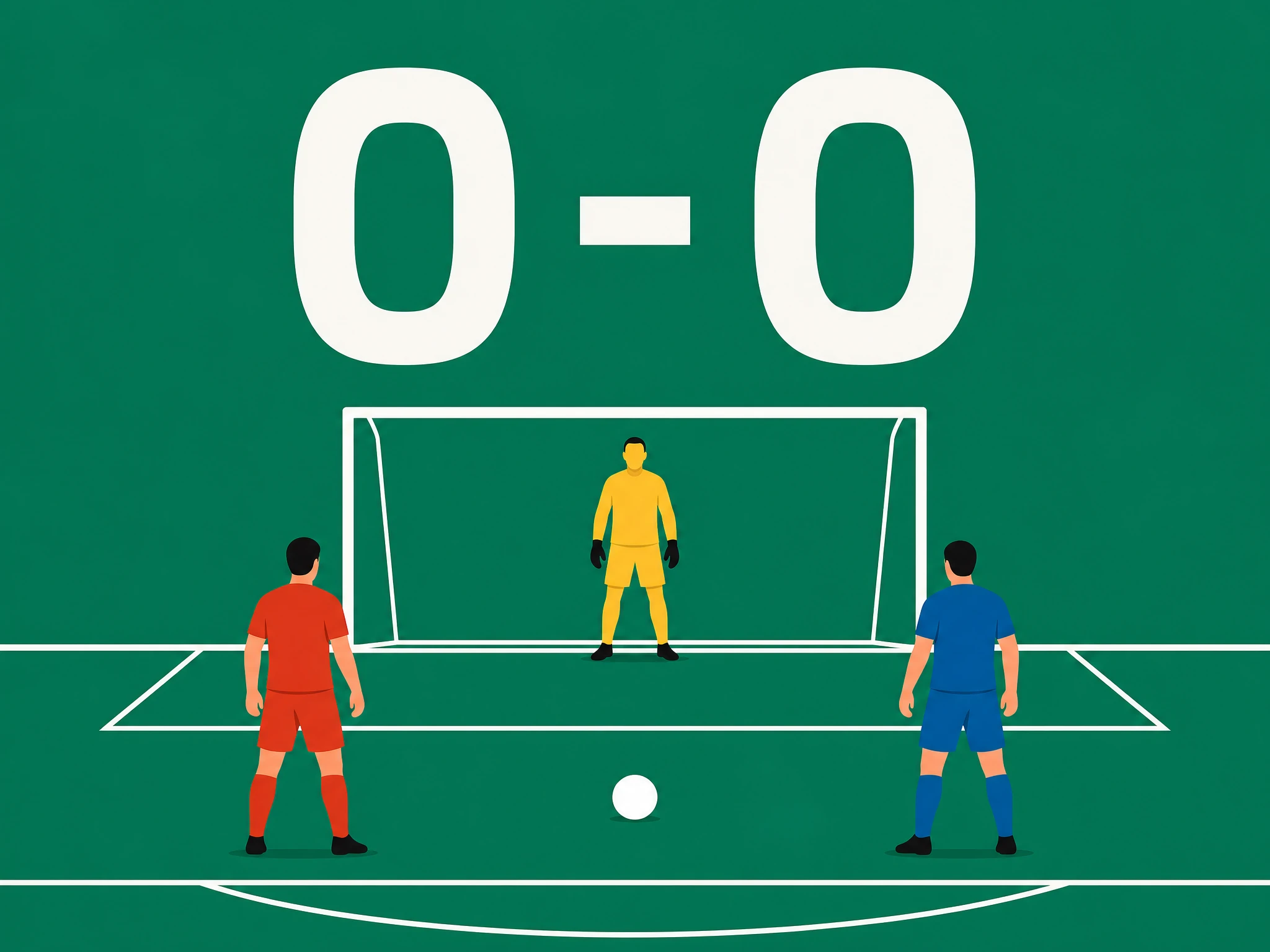
A clean sheet is a team not conceding a goal across the full 90 minutes plus stoppage time. For betting purposes, the goalkeeper only gets personal credit for it if they start and finish the match, so a keeper substituted off in a goalless game misses out even though the team clean sheet still stands.
Team FootyMetrics
Updated Jul 2026 · 6 min read
- A clean sheet means zero goals conceded across the full match, stoppage time included.
- An own goal by the opposition doesn't break your clean sheet. Your side still conceded nothing.
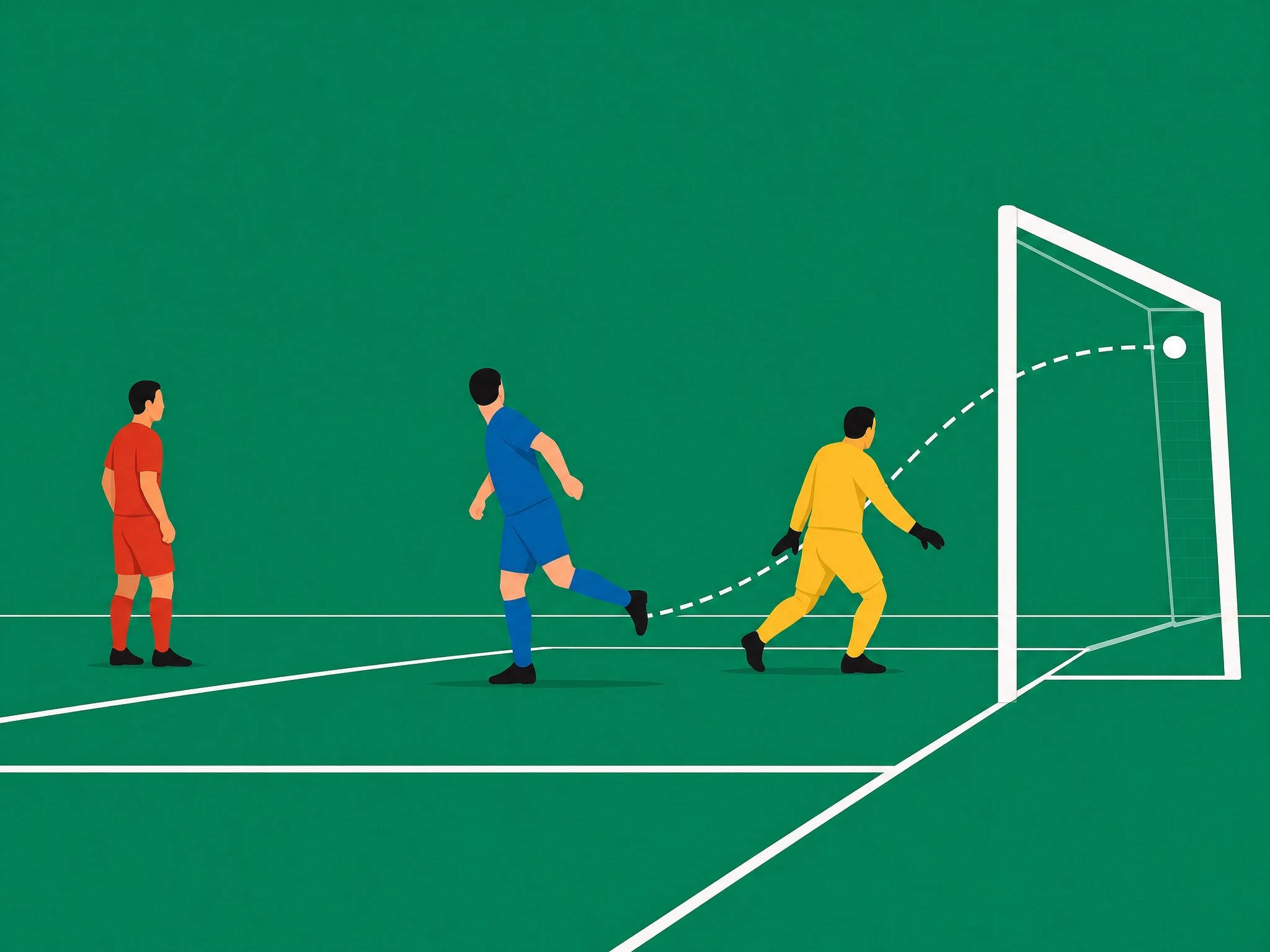
- An own goal by your own team does break your clean sheet, because your side has now conceded.
- A goalkeeper usually needs to play the whole match to get personal credit, even if the team clean sheet stands without them on the pitch.
The two things that actually catch people out are which direction an own goal cuts, and whether the clean sheet belongs to the team or to the keeper standing in goal at full time, plus what happens when a match gets abandoned before it's decided.
What counts as a clean sheet
A clean sheet is a team not conceding a goal for the entire match, 90 minutes plus any stoppage time. Extra time and penalty shootouts don't come into a standard clean sheet market, since a clean sheet secured at full time stands regardless of what happens afterwards in a cup tie. Opta's event definitions describe it the same way: a match where a team concedes zero goals across 90 minutes. Simple enough on paper. The confusion starts once you ask who actually gets credit for it.
Which team's own goal breaks a clean sheet
This is the single most misunderstood part of a clean sheet, and it runs in both directions, so it's worth stating plainly.
- The opposition's own defender puts the ball into their own net.
- The scoreboard credits your team with a goal, but your side conceded nothing.
- Your own team puts the ball into your own net.
- Your side has conceded, even though no opponent touched the ball.
If the opposition scores an own goal, their defender turning the ball into their own net, that goal goes on the board for your team, but your team still hasn't let one in. Your clean sheet stands. Nothing about your defending changed, and the goalkeeper you backed for a clean sheet prop still wins it.
If your own team scores an own goal, it works the other way. The ball has gone into your own net, so your side has conceded, regardless of how well your defence otherwise played. Your clean sheet is broken the moment it happens. An own goal against you is treated exactly like a goal scored by the opposition for clean sheet purposes.
Whose net it goes in is what matters, not who kicked it
Team clean sheet vs goalkeeper clean sheet
A team clean sheet and a goalkeeper's personal clean sheet are not always the same bet, and books can settle them differently.
The team market only cares about the final scoreline. If the team concedes nothing, the team clean sheet wins, no matter who was in goal or what happened to any individual player during the game.
The goalkeeper market is stricter. For its own goalkeeper stats, FootyMetrics only gives personal credit for a clean sheet if a keeper starts and finishes the match. A keeper substituted off, whether tactically or through injury, or sent off, in a game that finishes 0-0, sees the team keep its clean sheet while the individual keeper typically does not, even though no goal went in while either keeper was on the pitch.
No single minimum minutes number
Abandoned or postponed matches
A clean sheet needs a completed result to settle. If a match is abandoned before full time, a clean sheet bet is typically voided and the stake refunded, since the result was never decided. The same applies to a match postponed before kick-off and rearranged for a later date, any bet already placed on that fixture is voided, with the option to rebet once the new date is confirmed. Exact wording differs between bookmakers, so it's worth checking their specific abandoned or postponed match rules before assuming a refund either way.
Clean sheets as a stat
FootyMetrics tracks the numbers behind a clean sheet, saves, goals conceded and shots faced, for every goalkeeper and team across 115+ leagues. A team's clean sheet rate is really just the flip side of how often it concedes, so it's worth reading next to a keeper's save volume rather than on its own.
Goalkeeper saves trends
See how often a keeper is called into action and how that lines up with their clean sheet record, across 115+ leagues.
Team totals work the same way on team saves trends, and the full breakdown of keeper and team save numbers is on the goalkeeper saves stats hub.
Clean sheet FAQs
Does an own goal count against a clean sheet?
It depends whose own goal it is. An own goal scored by the opposition, their defender putting the ball in their own net, does not break your clean sheet, since your side still conceded nothing. An own goal scored by your own team does break your clean sheet, because your side has now conceded, even though no opponent touched the ball.
Does a substitute goalkeeper get credited with a clean sheet?
Not personally, in most cases. FootyMetrics only credits a goalkeeper with an individual clean sheet if they start and finish the match. A keeper who comes off at half time in a game that finishes 0-0 does not get a personal clean sheet, even though the team does.
Is there a minimum minutes rule for goalkeeper clean sheet bets?
There's no single industry-standard number. Fantasy Premier League awards clean sheet points as long as a goalkeeper plays at least 60 minutes, but that's a fantasy scoring rule, not a bookmaker one. Sky Bet's football betting rules, for instance, require the keeper to play the entire match for a real-money clean sheet prop, so it's worth checking the specific market rules before backing a keeper you expect to be substituted.
What happens to a clean sheet bet if the match is abandoned?
It's void. A clean sheet needs a completed result to settle, so a match abandoned before full time is typically voided and the stake refunded, and the same applies to a match postponed before kick-off. Exact wording can differ between bookmakers, so it's worth checking their specific abandoned or postponed match rules.
Do extra time or penalties count for a clean sheet?
No, not for a standard clean sheet market. Clean sheet bets settle on 90 minutes plus stoppage time. A goal conceded in extra time or a penalty shootout doesn't affect a clean sheet that was already secured at full time.